Skip to content

Cart

Your cart is empty

BECOME A WAGYU GURU

Sign up for our Firegrass quarterly newsletter filled with product updates, recipes, and so much more.

Marbling & Grades

Understanding Wagyu Marbling & Grades

A straightforward explanation of how Wagyu is measured in Japan, the United States, and by Firegrass.

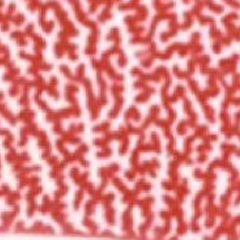
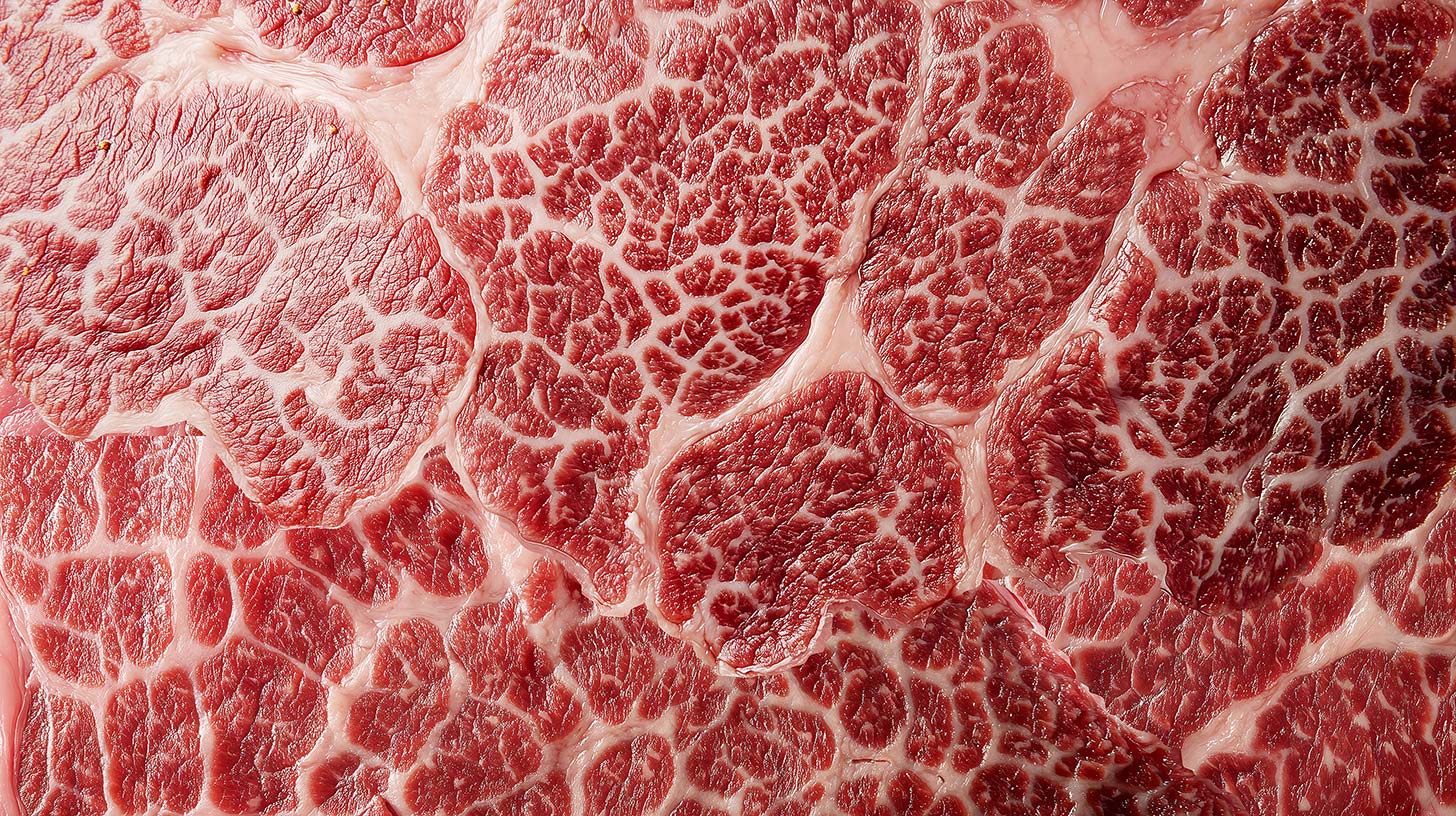
What Is Marbling? Close-up of Wagyu marbling

What Is Marbling?

Marbling refers to the white streaks of intramuscular fat that weave throughout a cut of beef. Unlike external fat that you trim away, marbling lives within the muscle itself, and it's what separates exceptional Wagyu from ordinary beef.

Wagyu cattle carry a genetic predisposition for higher levels of intramuscular fat, which melts at a lower temperature than conventional beef fat. This is what gives Wagyu its signature buttery texture, complex flavor, and unique cooking behavior.

  • Intramuscular fat within the muscle fibers
  • Not external fat; it cannot be trimmed away
  • Genetic predisposition unique to Wagyu breeds
  • Lower melting point than conventional beef
  • Directly affects texture, flavor, and cooking behavior
Why Marbling Matters

Why Marbling Matters

Marbling isn't just about appearance. It fundamentally changes the eating and cooking experience. The distribution and quality of intramuscular fat determines everything from the first bite to how you approach preparation.

  • Influences tenderness and mouthfeel
  • Changes how heat transfers through the cut
  • Affects ideal portion size, because a little goes further
  • Alters ideal cooking temperature and technique
  • Creates the signature "melt in your mouth" experience

Wagyu Cooks Differently

Wagyu cooks differently than conventional beef because fat renders at a lower temperature. The intramuscular fat begins melting sooner, which means shorter cook times, gentler heat, and a completely different approach to temperature. Treat it like a premium ingredient. Less is more.

Comparing Wagyu Grading Systems

Not all grading systems measure marbling the same way. Understanding the differences between Japanese and American standards helps you make more informed choices about the beef you buy.

Japan

Japanese Wagyu Grading (A5)

The Japanese Meat Grading Association evaluates Wagyu on two primary axes: yield grade and quality score, with marbling as the most influential quality factor.

  • Yield Grade: A, B or C, measuring usable meat ratio
  • Quality Score: 1 through 5, evaluating marbling, color, firmness and fat quality
  • Beef Marbling Score (BMS): Scale from 1 to 12; higher BMS means greater marbling density

A5 refers to yield + quality combined, not marbling alone. A BMS of 8 to 12 is required for the highest quality designation.

United States

USDA Grading System

The USDA grades beef based on maturity and marbling at the ribeye between the 12th and 13th ribs. It's a broader evaluation than the Japanese system and uses fewer tiers.

  • Prime: Highest USDA grade with abundant marbling
  • Choice: Moderate marbling, widely available
  • Select: Slight marbling, leaner and less tender

USDA grading does not measure marbling the same way as Japanese BMS. USDA Prime typically contains significantly less intramuscular fat than high-grade Wagyu.

Flavor & Tenderness

Firegrass Wagyu logo
 
FGW Marbling
Grades
 
FG10+ 10%-19% DMP
FG20+ 20%-29% DMP
FG30+ 30%-39% DMP
FG40+ 40%+ DMP
DMP*
0%
10%
20%
30%
40%
Other Scales
Choice
4-10% DMP
USDA Prime
10-12% DMP
 
 
Japanese A5
42%+ DMP

*Digital Marbling Percentage

 
FG10+
FG20+
FG30+
FG40+
DMP
10-19%
20-29%
30-39%
40%+
Flavor
Traditional beefy flavor
Richer beefy flavor
Classic, buttery Wagyu flavor
Similar flavor as A5 Japanese Wagyu
Pedigree
F1 Crossbred Wagyu
Mostly F1 Crossbred Wagyu, Some Fullblood Wagyu
Mostly Fullblood Wagyu, Some F1 Crossbred Wagyu
Fullblood Wagyu
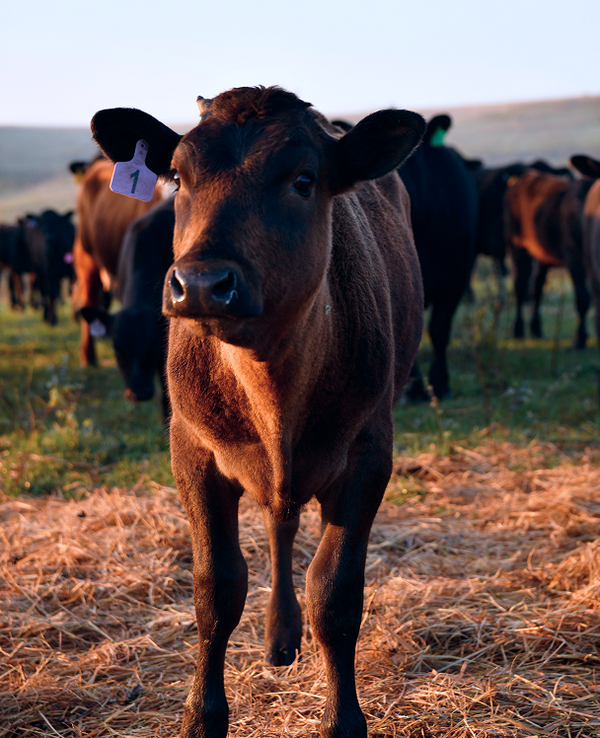
Firegrass Wagyu cattle
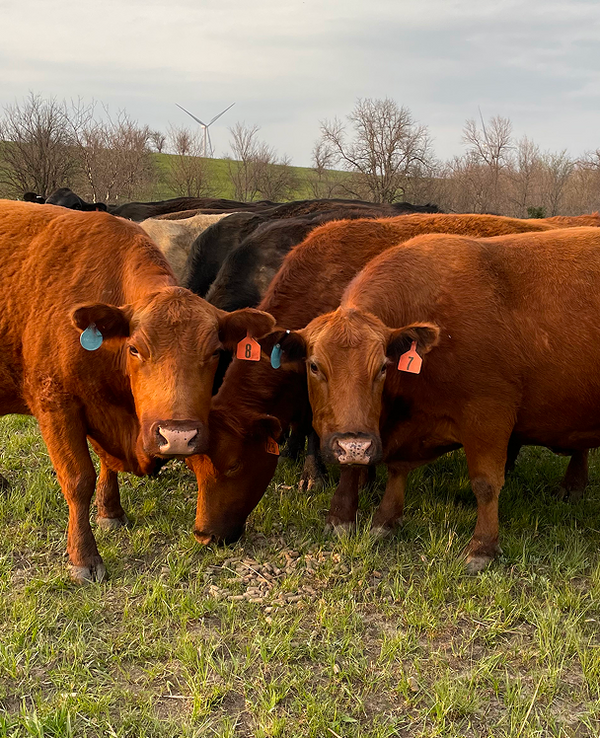
Wagyu cattle on pasture
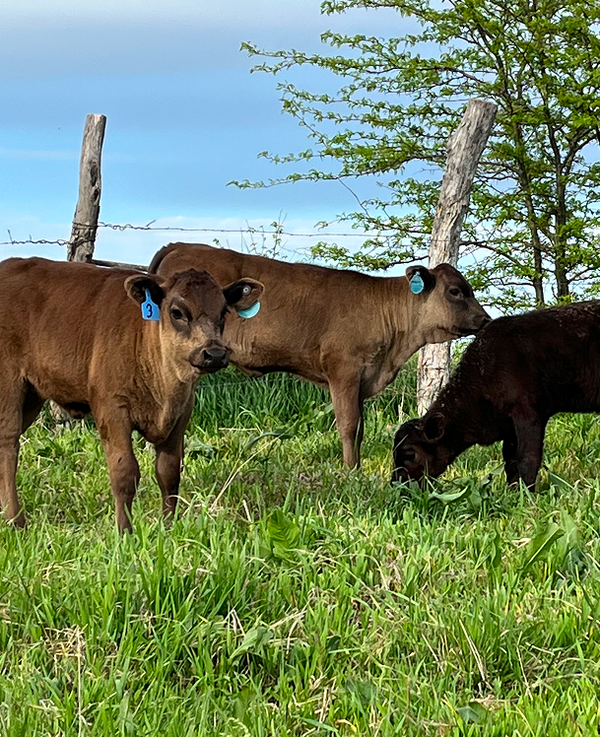
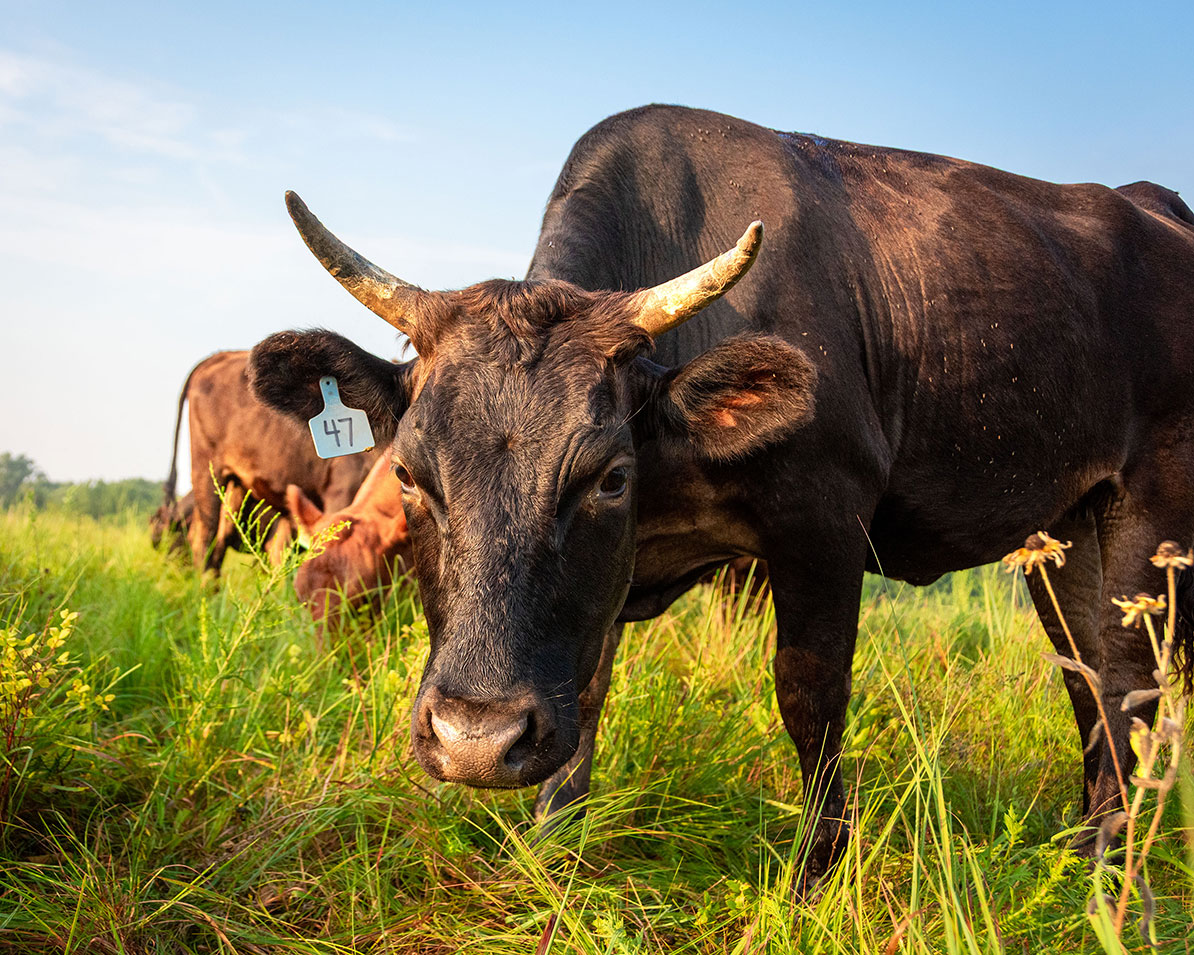
Wagyu cattle close up
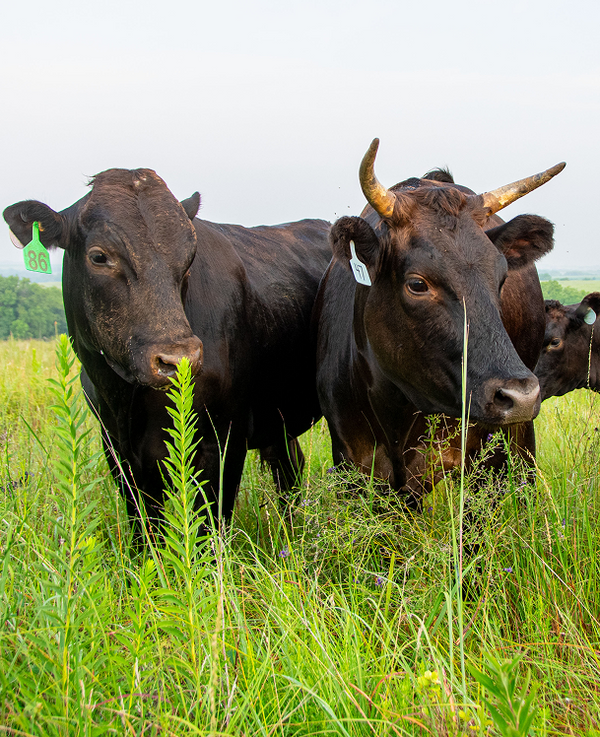
Wagyu herd in the Flint Hills

Frequently Asked Questions

Not necessarily — it depends on your preference and how you plan to cook. Higher marbling delivers richer flavor and more tender textures, but it also means richer bites. Many people prefer moderate marbling for everyday meals and reserve ultra high marbling for special occasions.

BMS (Beef Marbling Score) is a Japanese scale from 1 to 12 based on visual assessment by trained graders. DMP (Digital Marbling Percentage) is Firegrass's system that uses imaging technology to measure the actual percentage of visible intramuscular fat, giving you a precise, transparent number rather than a subjective score.

Absolutely. Marbling is primarily genetic, and Firegrass works with Full-Blood and Purebred Wagyu genetics to produce beef with exceptional marbling. Combined with careful nutrition and low-stress ranching practices in the Kansas Flint Hills, our cattle consistently achieve DMP scores that rival top Japanese grades.

Wagyu intramuscular fat has a higher proportion of monounsaturated fatty acids, particularly oleic acid, which is also found in olive oil. This gives the fat a lower melting point and that signature buttery, almost sweet flavor profile that conventional beef simply doesn't have.

Less is more. Use a hot cast iron skillet, sear for a shorter time than you would conventional beef, and aim for medium-rare to medium at most. The fat renders quickly, so high marbling steaks can overcook easily. Let it rest, slice thin, and enjoy.

Taste the Difference Marbling Makes

Browse our selection of premium Wagyu cuts, each graded with our Digital Marbling Percentage so you know exactly what you're getting.

Explore Our Cuts