

Guide to What Makes Beef Wagyu
What Is Wagyu?
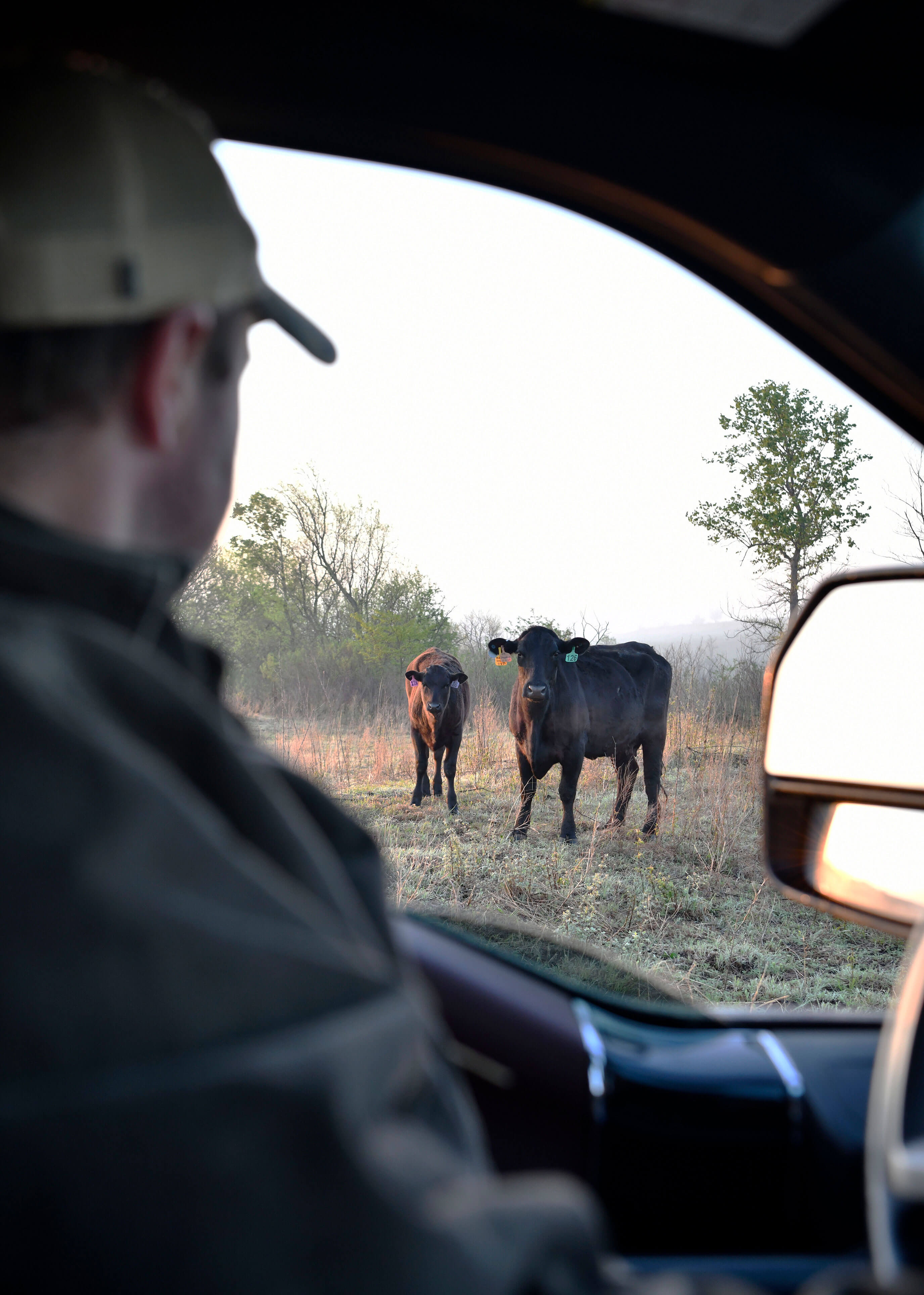
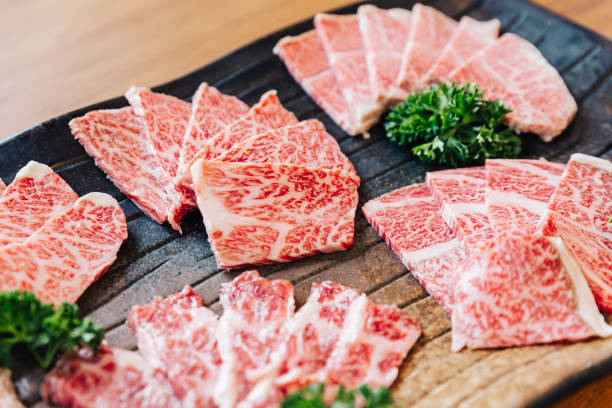
Wagyu, which translates to "Japanese cow," refers to a select group of cattle breeds prized for their genetic ability to produce extraordinary marbling. That intramuscular fat is what gives the beef its signature buttery texture and deep, rich flavor, setting it apart from conventional beef from the very first bite.
Firegrass Wagyu carries pure, traceable Japanese lineage and a higher ratio of monounsaturated to saturated fat than commercial beef, with a lower melting point that delivers that unmistakable melt-in-your-mouth experience. It's this genetic distinction that has made Wagyu one of the most sought-after proteins in the world.
What Is the Difference Between Wagyu and Regular Beef?
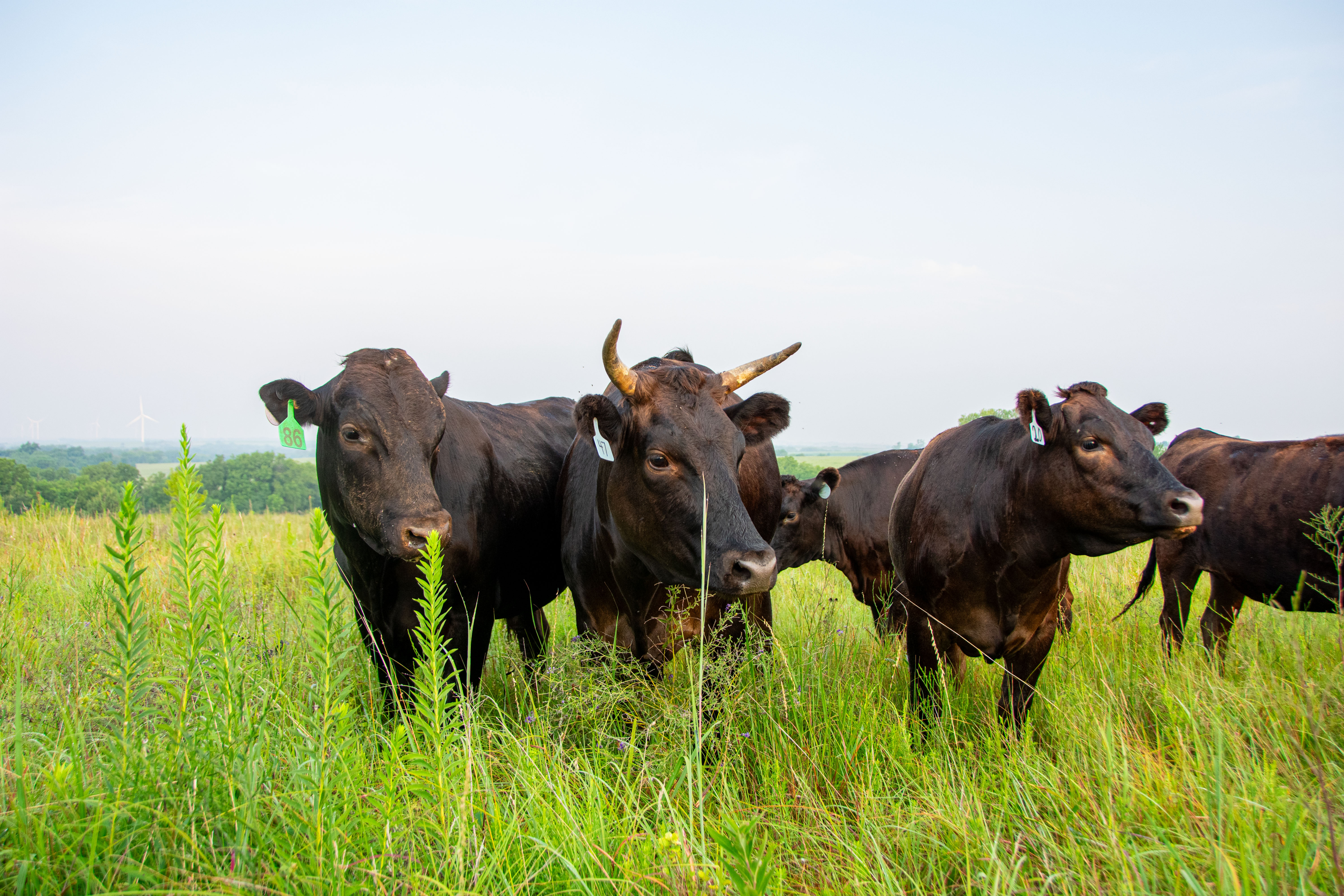
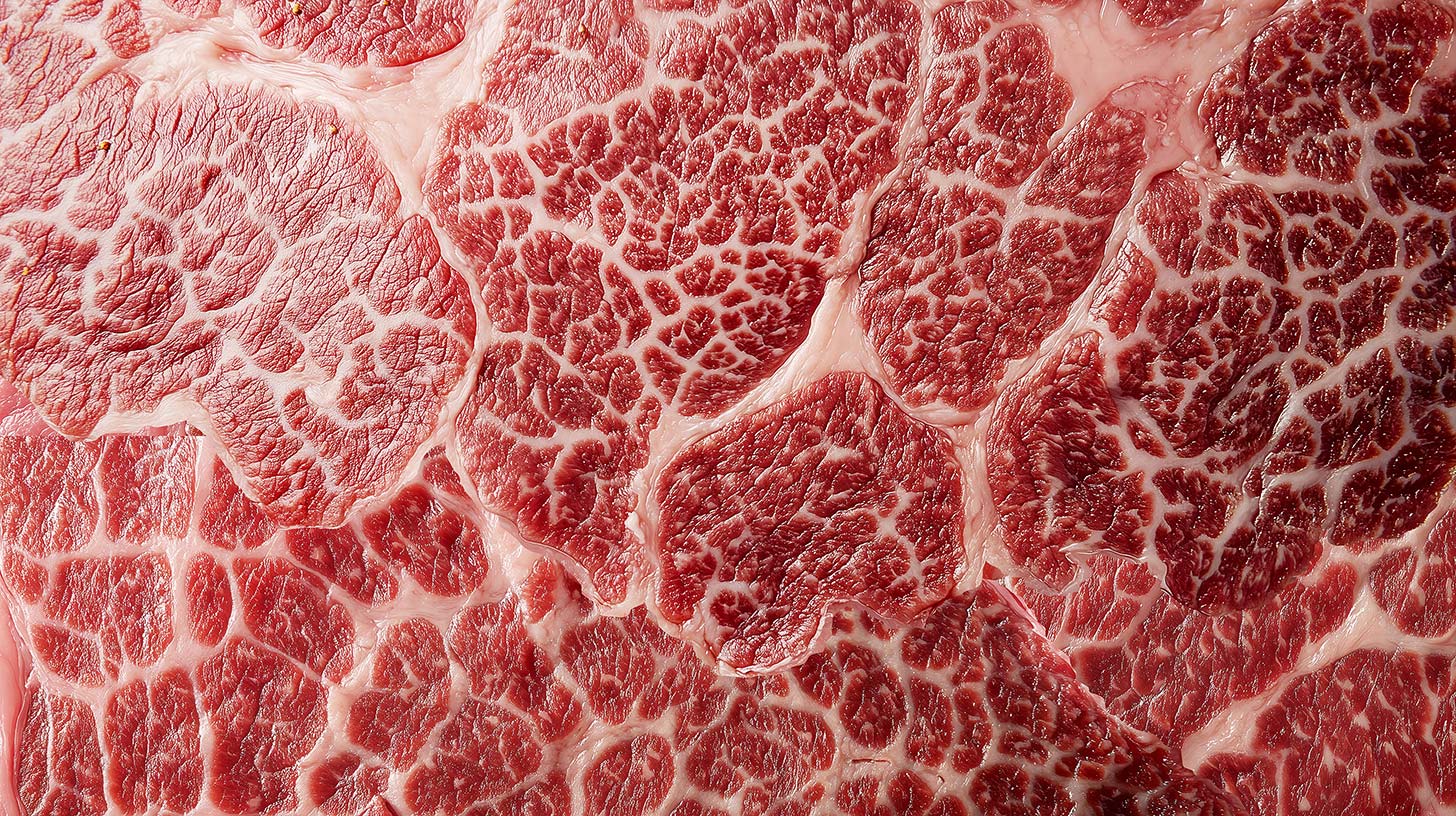
Wagyu's genetics produce a level of marbling and fat distribution that goes far beyond what conventional beef—even USDA Prime—can achieve. That difference shows up in every bite:
- Higher levels of intramuscular fat (marbling), measuring 20% to more than 40% IMF
- More even distribution of fat within the muscle
- Higher ratio of monounsaturated to saturated fat than commercial beef
- Superior texture and mouthfeel
- Distinct flavor characteristics: buttery, rich, complex
Marbling Grading Systems
Marbling isn't just about appearance. It fundamentally changes the eating and cooking experience. The distribution and quality of intramuscular fat determines everything from the first bite to how you approach preparation.
The Japanese Meat Grading Association evaluates Wagyu on two primary axes: yield grade and quality score, with marbling as the most influential quality factor.
Japanese BMS
The Japanese Beef Marbling Standard scores cattle from 1 to 12, with A5 representing the highest grade of marbling a Wagyu can achieve.
USDA Grading
The USDA system ranks conventional beef by Select, Choice, and Prime, based primarily on marbling. It's a familiar benchmark, but one that wasn't built to measure Wagyu.
Firegrass Standard
Our Wagyu grades higher than USDA Prime, with IMF measuring 20% to more than 40%, a level of marbling that goes beyond conventional grading systems entirely.
How American Wagyu Cattle Is Raised
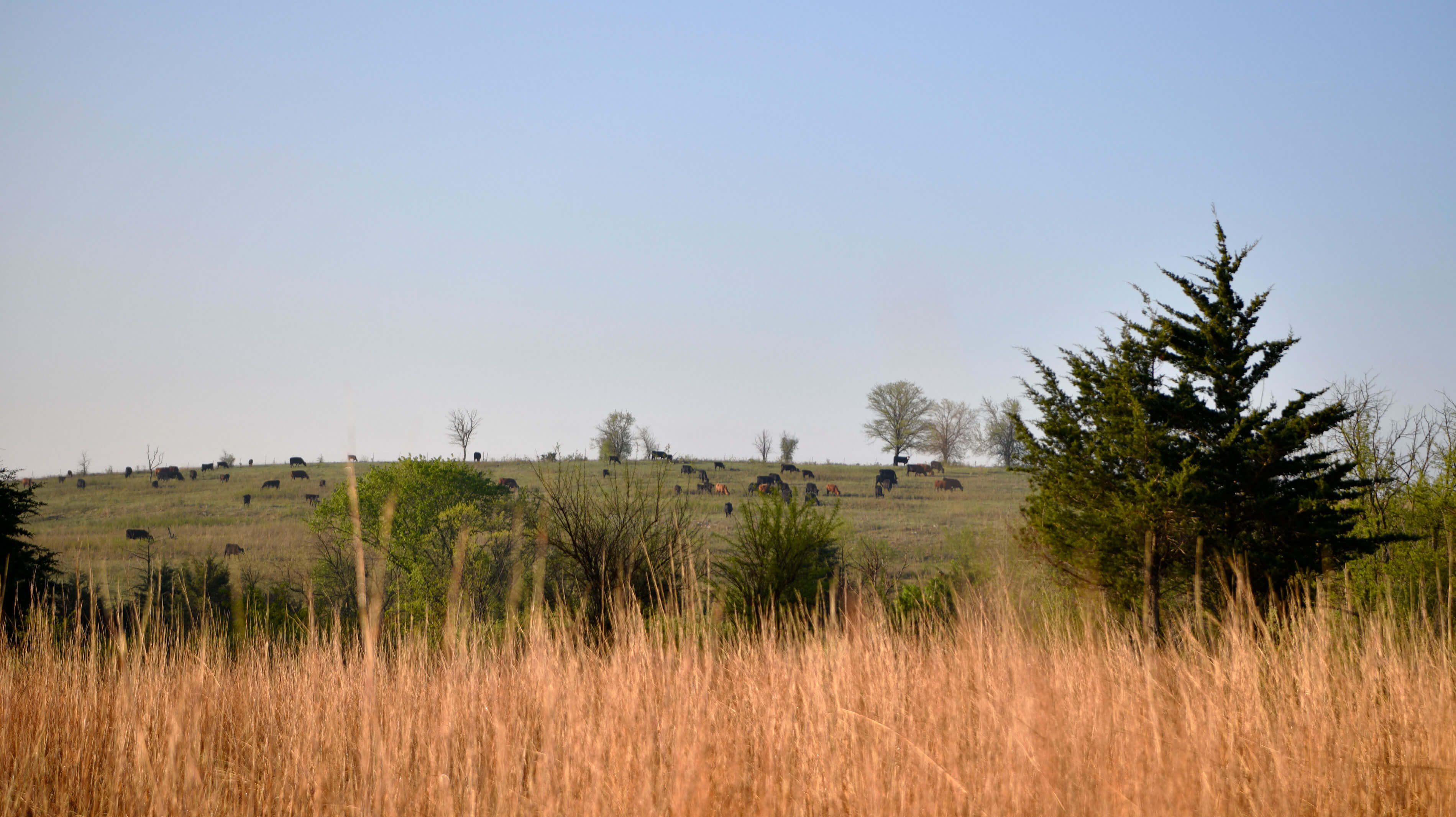
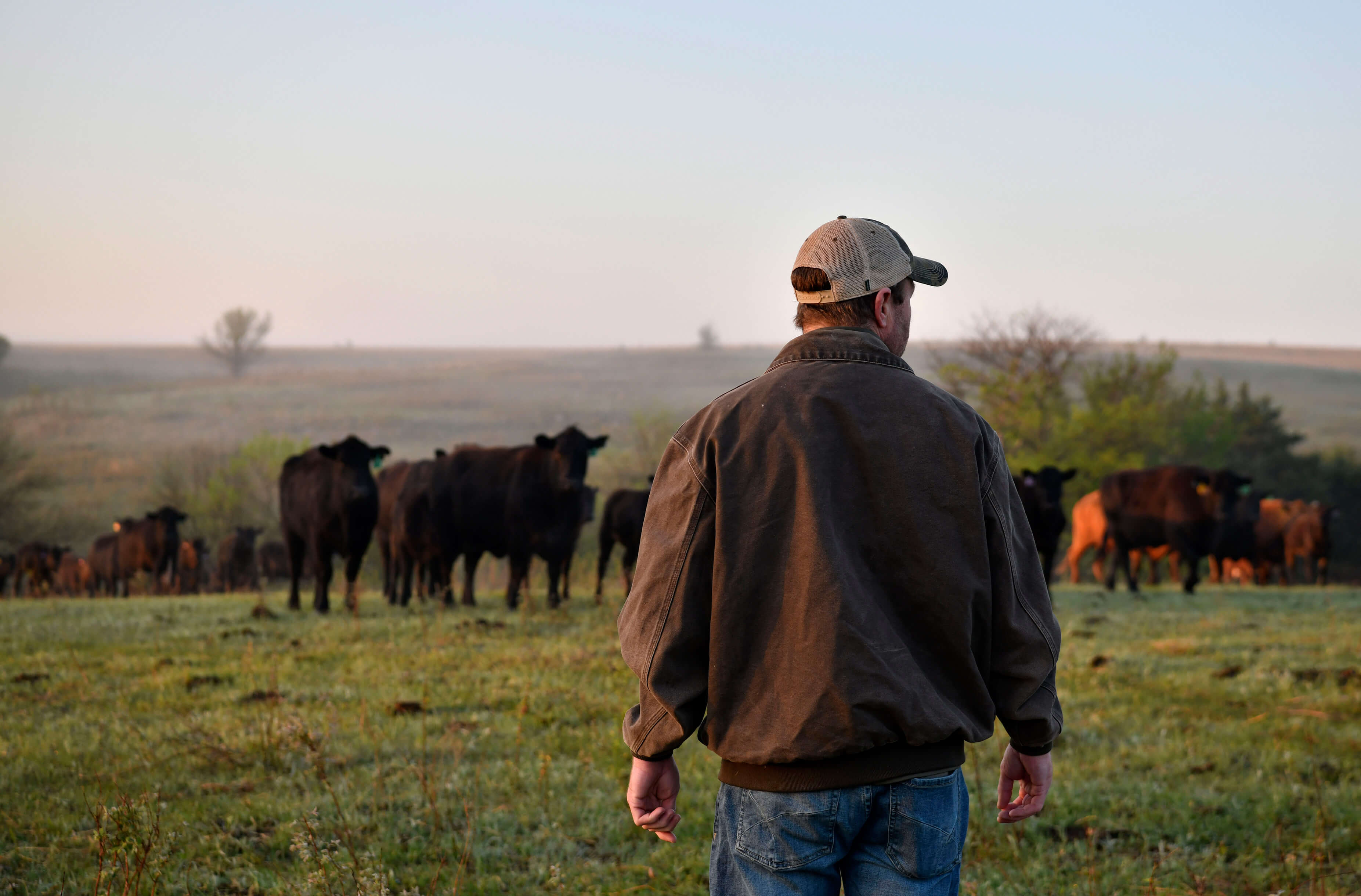
American Wagyu programs prioritize animal welfare, careful nutrition, and stress-free environments to develop optimal marbling over extended finishing periods. At Firegrass, we ensure:
- Pasture-based early life on open grassland
- Grain finishing programs tailored to the breed
- Longer feeding periods compared to conventional cattle
- Focus on steady, gradual weight gain
- Minimal interference, allowing cattle to grow at their own natural pace
- Stress reduction and gentle handling practices
The Art of Processing
From embryo to final cut, every step of the journey is managed with the same care and expertise, honoring generations of knowledge in ranching, Wagyu genetics, and meat processing.
Types of Cuts
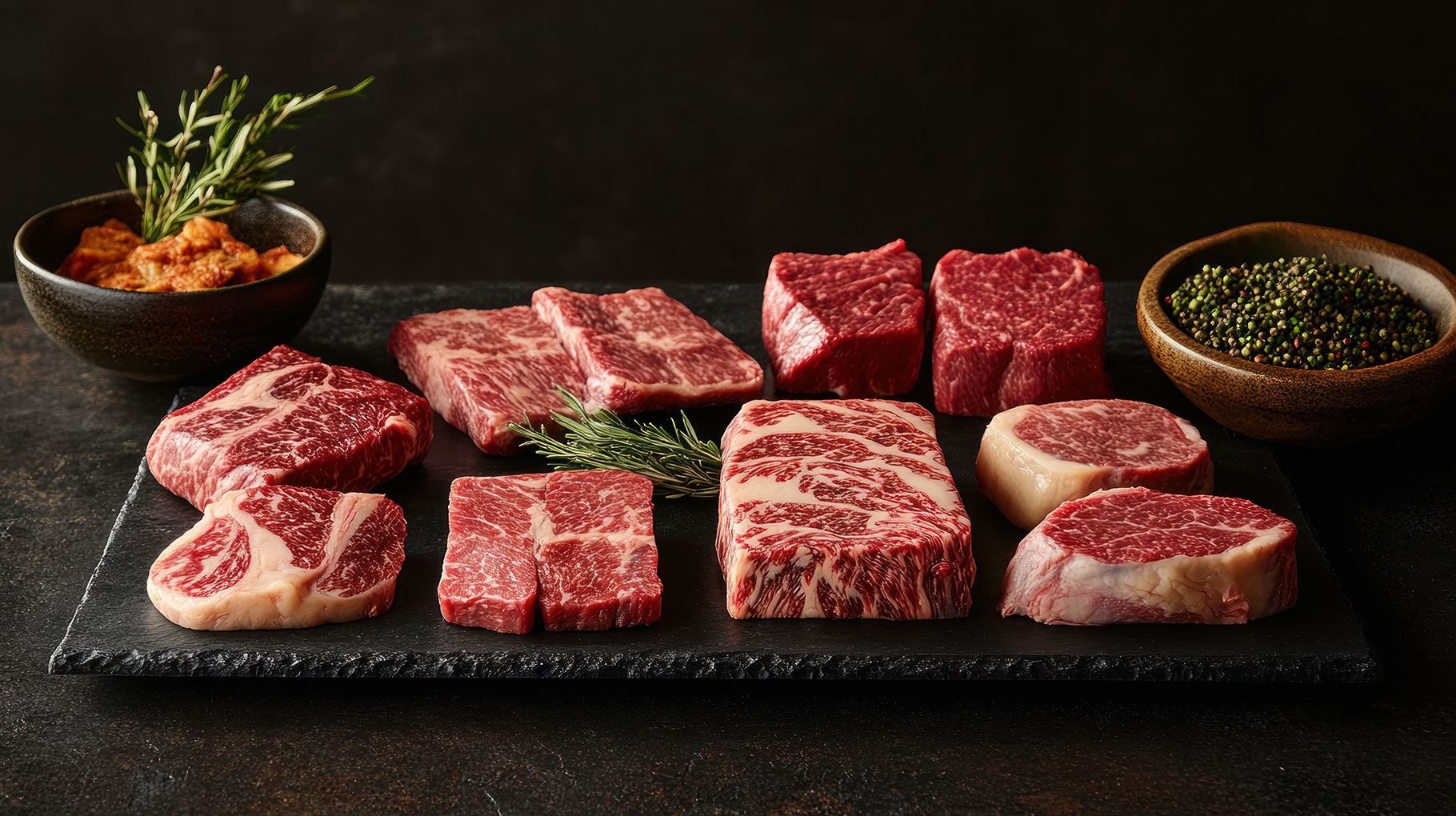
Firegrass offers a variety of professional cuts that showcase how Wagyu beef is different. It's not just premium protein; it's beyond-the-grade marbling and flavor raised sustainably and delivered to your family from ours.
Dive Deeper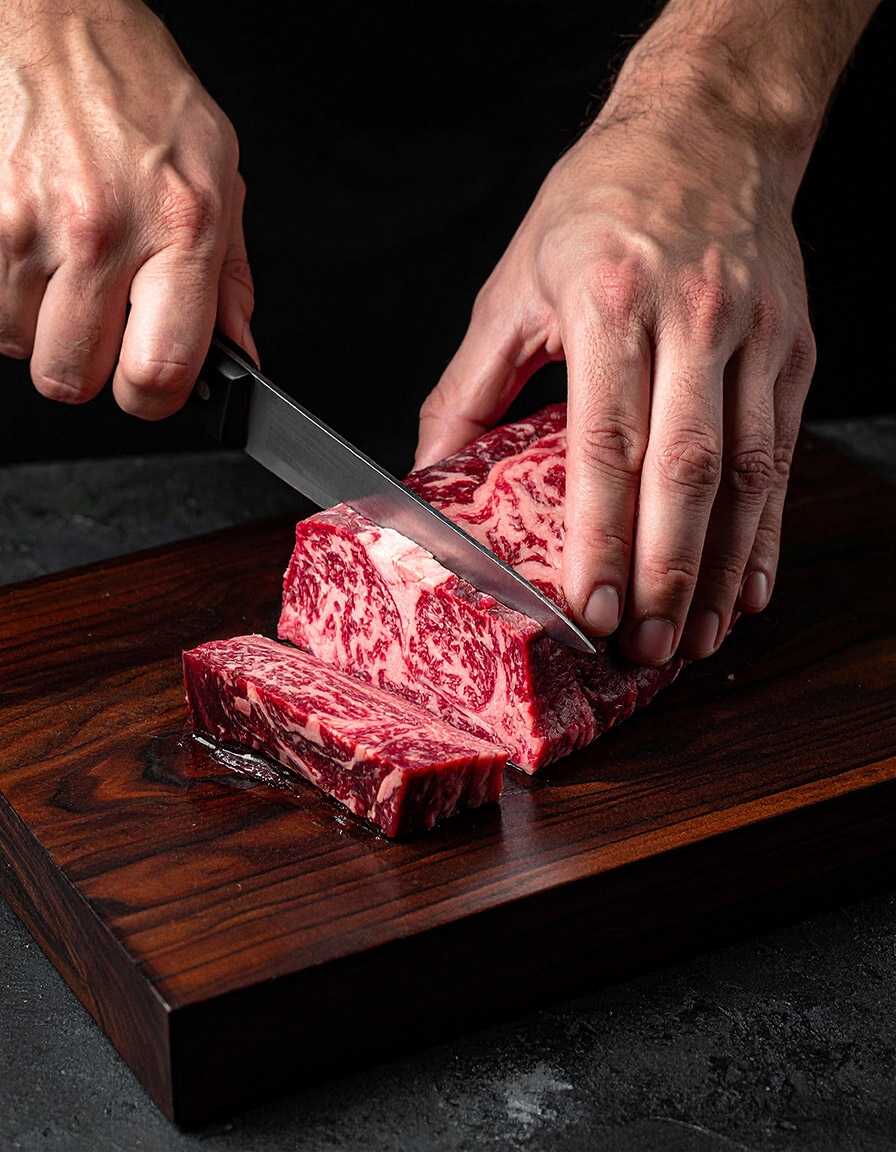
Butcher Notes
Genetics and time set the foundation, but how the beef is handled at the end matters just as much. Proper processing is what carries that deep marbling and buttery texture through to the plate, delivering the tenderness and rich flavor Firegrass Wagyu is known for.
Cooking Techniques
Preparing Wagyu
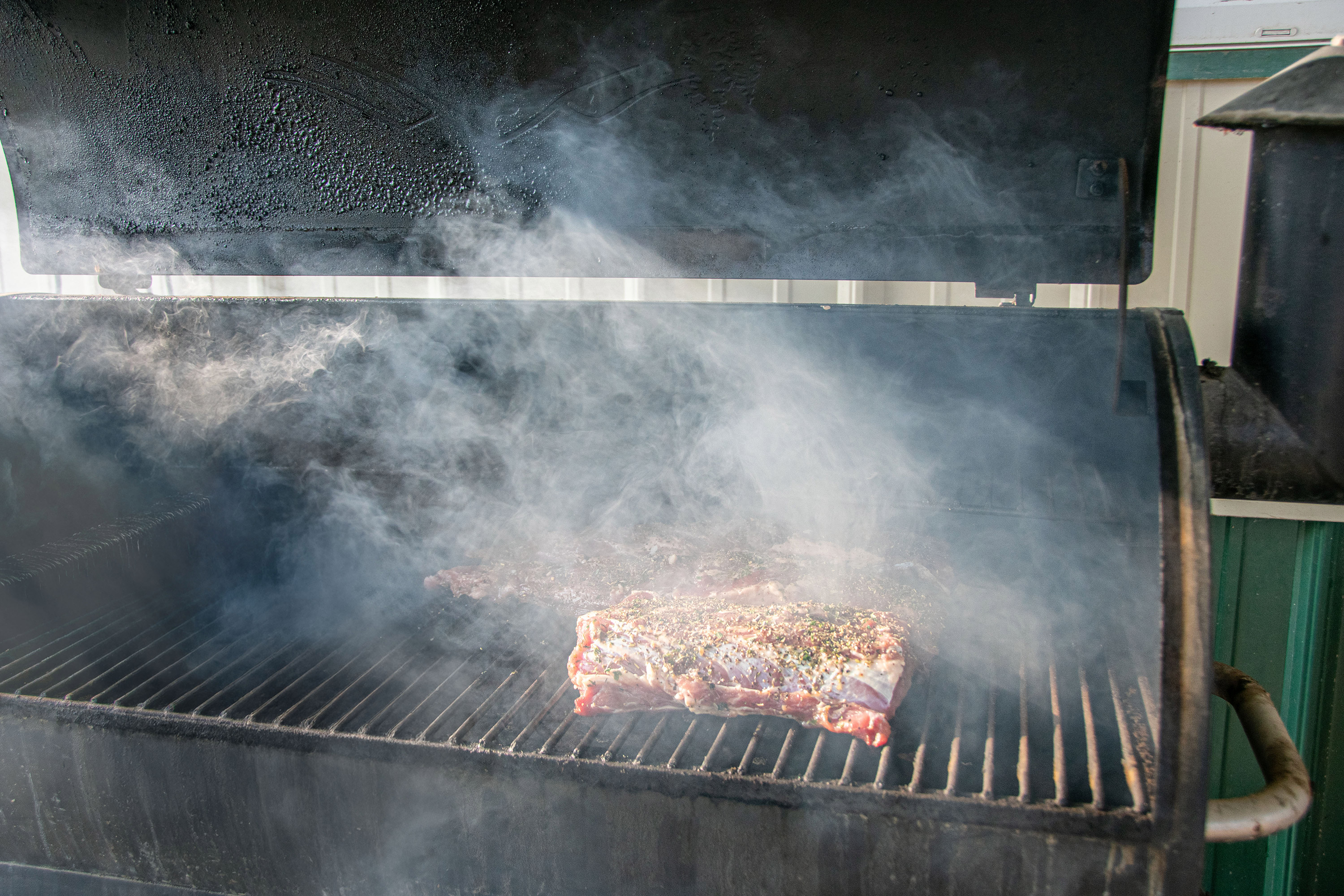
The distinct qualities of Wagyu demand a thoughtful approach to cooking that honors the marbling and brings out the natural buttery richness. This is beef built on genetics, time, and terroir; every bite carries the deep, buttery flavor and complexity that only comes from marbling this fine and evenly distributed.
Proper technique respects what went into raising it. Each cut deserves the same intention that shaped it from embryo to plate, so its richness and tenderness can fully come through.
Proper Storage
Storing Your Investment
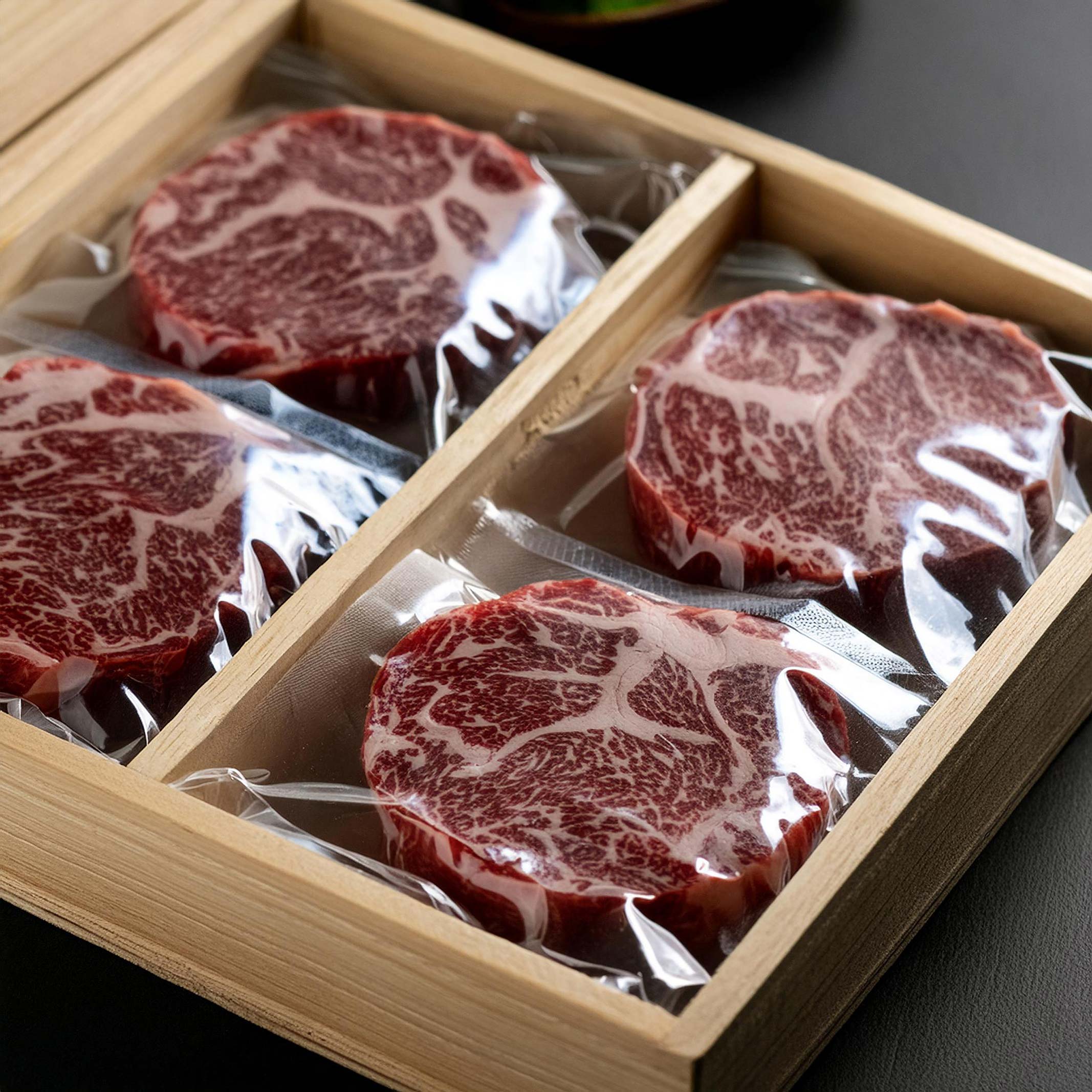
Protecting the flavor and quality of premium Wagyu starts with proper care. The marbling that defines Firegrass Wagyu, finely integrated and rich in monounsaturated fat, deserves to be preserved with the same intention we bring to raising it.
Every ounce of that marbling represents time we can't get back: months of grazing, careful genetics, and a process that can't be rushed. Treating it with care from freezer to plate honors that same patience.